Barcelona · 1956
History of Huracán Motors S.A., a Barcelona motorcycle factory (1956)
The founding of Huracán Motors by José María Duran Balet (1956)
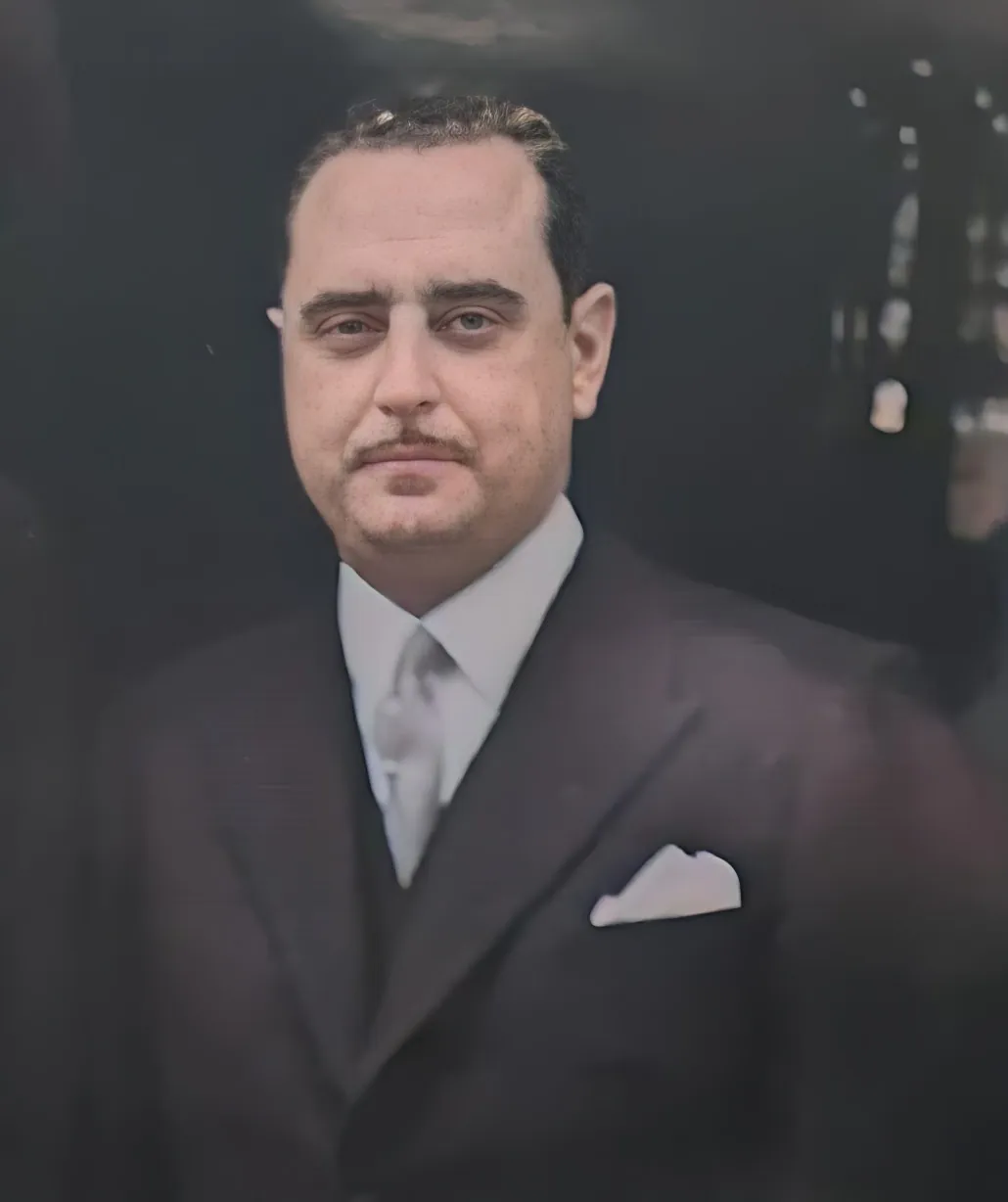
In Barcelona, on 30 April 1956, Huracán Motors S.A. was founded by the businessman Mr José María Duran Balet (grandson of the master builder Domènec Balet i Nadal).

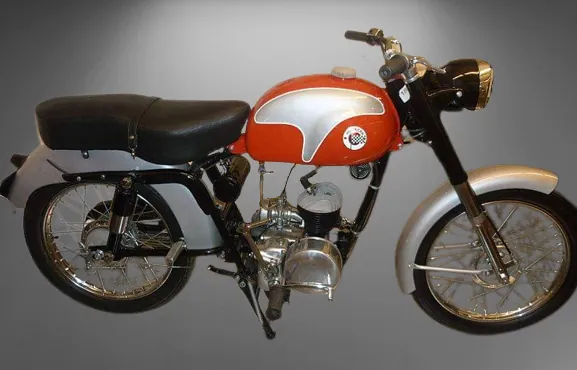
The company specialised in manufacturing motorcycles and tricycles, meeting the transport needs of the time with affordable, versatile vehicles that could reach a large number of users.
The Balet family and Auto Garage Términus
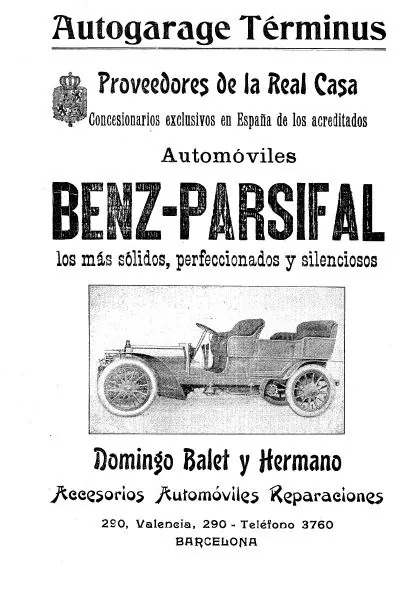
The company was born of a passion for motoring, a passion already rooted in the family. His uncles Domingo and Enrique Balet Duran owned the Auto Garage Términus, an important car dealership of the early 20th century.
It was known for being the exclusive Benz distributor in Spain (today's Mercedes-Benz), for selling the first car to King Alfonso XIII and giving him private driving lessons, as well as for its later appointment as Purveyors to the Royal Household, for holding the first vehicle auctions (unique in Spain at the time) and for publishing its own free magazine, called Barcelona Automóvil.
For more information, visit www.AGTerminus.com
The Spanish motorcycle industry in the 1950s
This was a period of great expansion for the Spanish motorcycle industry, which came to export up to 80% of its production abroad, with internationally renowned brands such as Derbi (1922), Alpha (1924), Rieju (1934), Sanglas (1942), Montesa (1944), Ossa (1948) and Bultaco (1958), among many others...
The 1956 BOE application to build tricycles and motorcycles
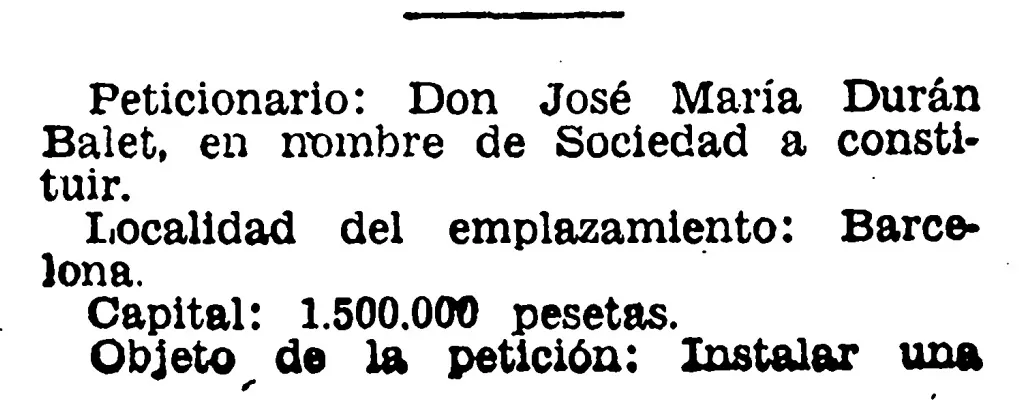
The founding of the company was announced in B.O.E. no. 143 of 22 May 1956:
Transcription of the text:
- Applicant: Mr José María Duran Balet, on behalf of a company to be incorporated.
- Capital: 1,500,000 pesetas.
- Purpose of the application: to set up a factory producing tricycles, motorcycles and mopeds, except for the engine.
- Production: three vehicles a day
- Machinery: Spanish-made
- Raw materials: Spanish.
....
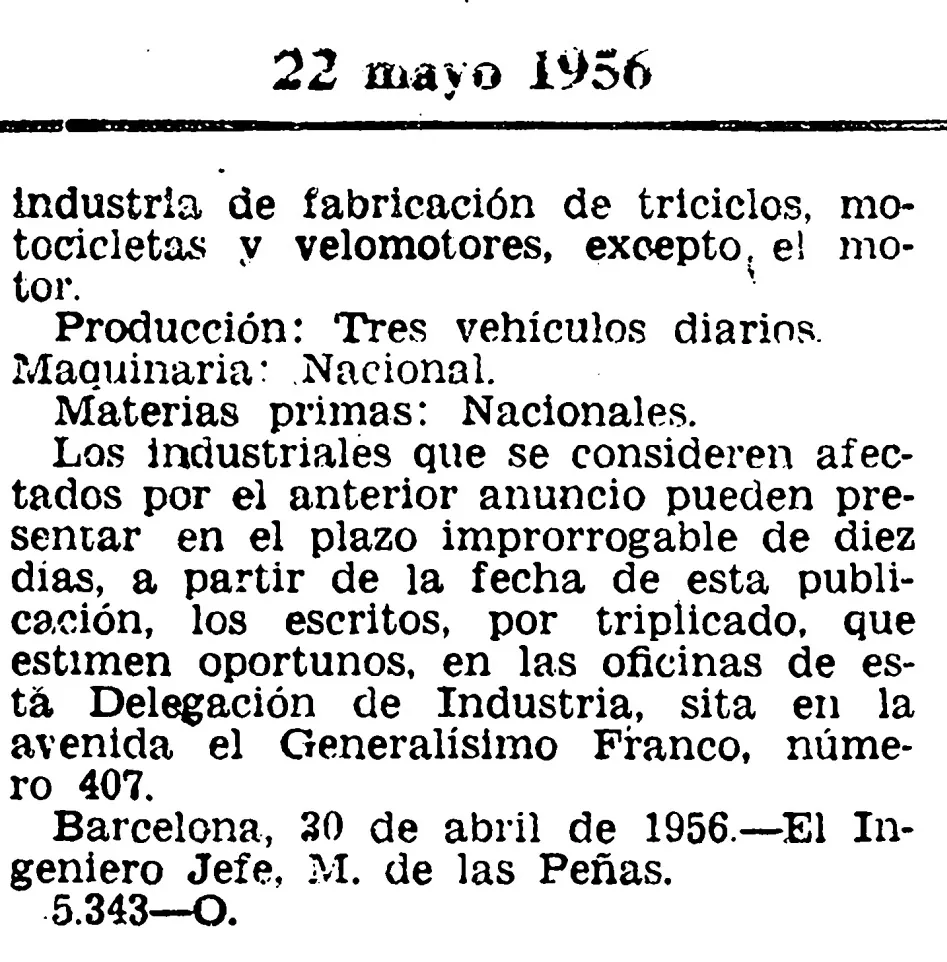
The chief engineer referred to, Mariano de las Peñas Mesqui, was head of the Barcelona Industry Delegation from 1940 until his retirement in 1958.
Industrial heritage · Almogàvers, 122
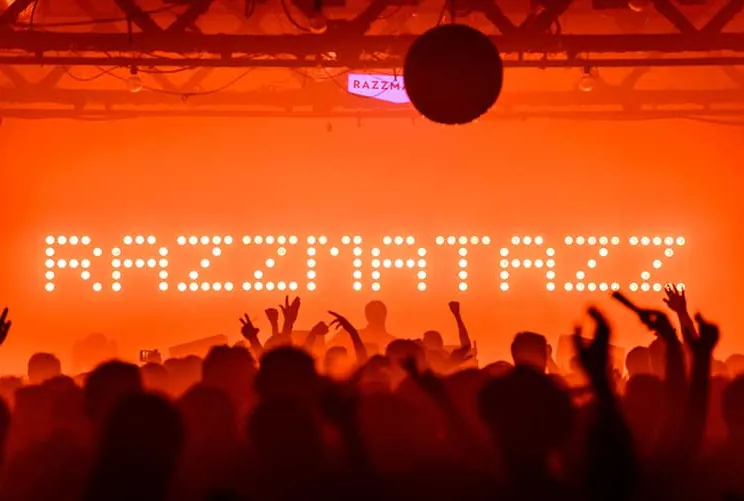
The factory that is now home to Razzmatazz
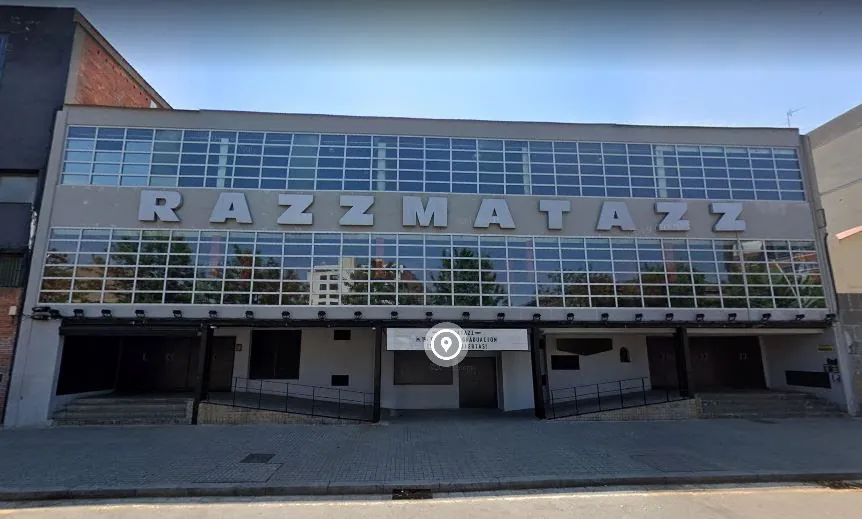
The factory at Carrer Almogàvers, 122 (now the Razzmatazz venue)
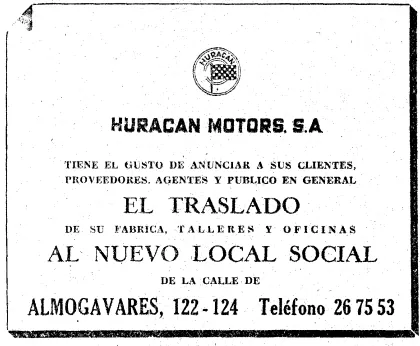
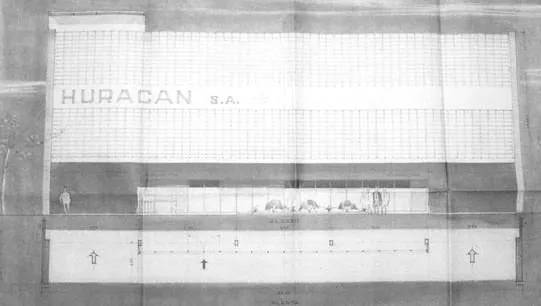
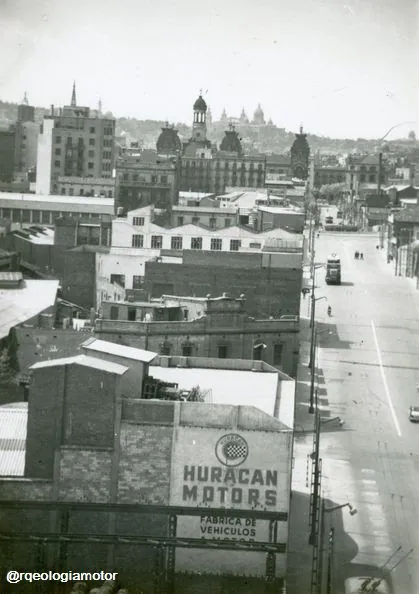
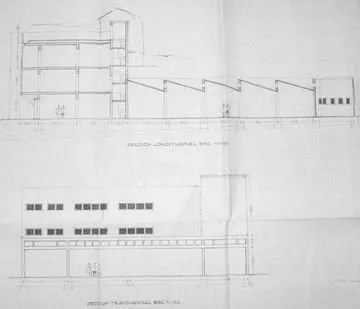
After a short stay in premises in the Poblenou district, in October 1958 the company moved into large industrial buildings at Carrer Almogàvers no. 122.
This factory, listed as part of the city's industrial heritage, is now home to the well-known Razzmatazz concert venue.
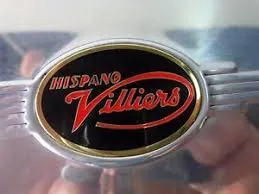
Hispano Villiers engines of 125, 197, 250 and 325 cc
Its vehicles relied on the sturdiness and reliability of the proven Hispano Villiers engines, in 125, 197, 250 and 325 cc versions depending on their intended use.
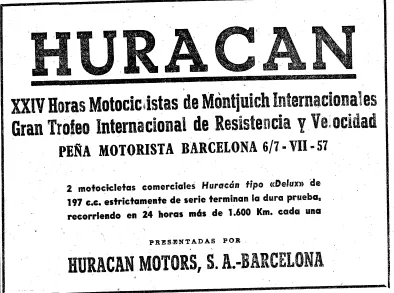
Huracan in racing: the Montjuïc 24 Hours (1957)
As shown in the following article from the newspaper La Vanguardia, Huracan Motors took part in an international 24-hour endurance and speed race on the Montjuïc street circuit with 2 Huracan Deluxe 197cc motorcycles. Both bikes managed to finish the race, despite being standard production models.
A video of the race can be seen in the Videos section of this website.
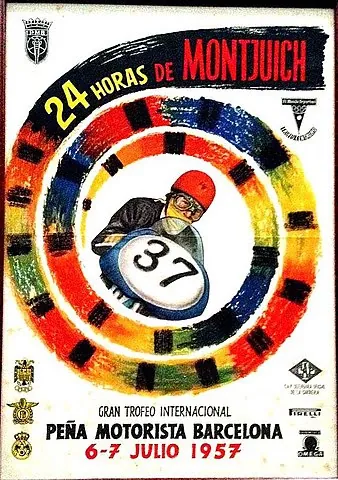
José María Duran Balet and the 4 CV Club
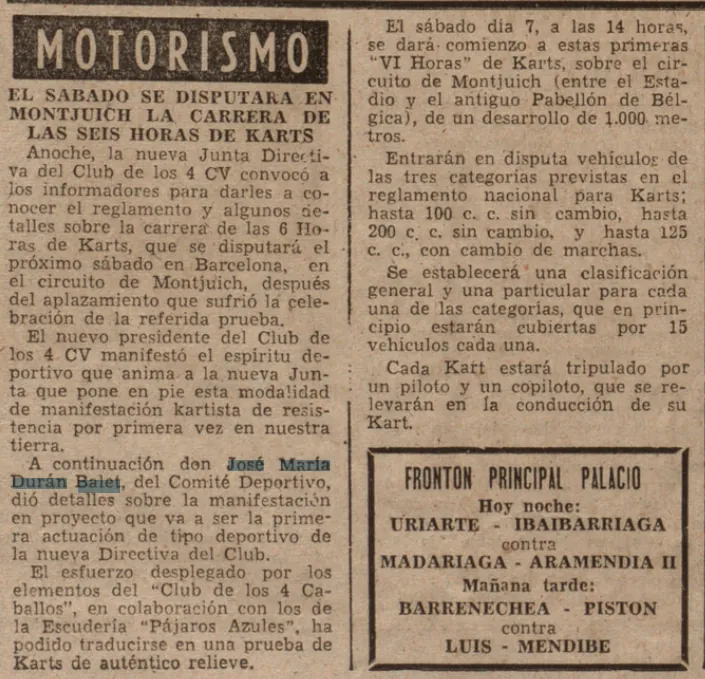
José María Duran Balet was a member of the sporting committee of the 4 Horsepower Club, which organised 6-hour kart endurance races at Montjuïc. This is why it is known that Huracan Motors also built racing karts.
Alfonso Duran Loverdos, racing rider
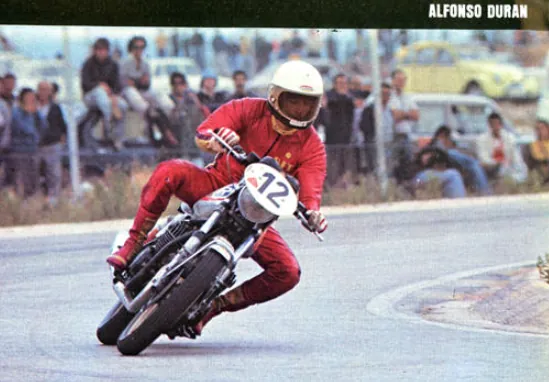
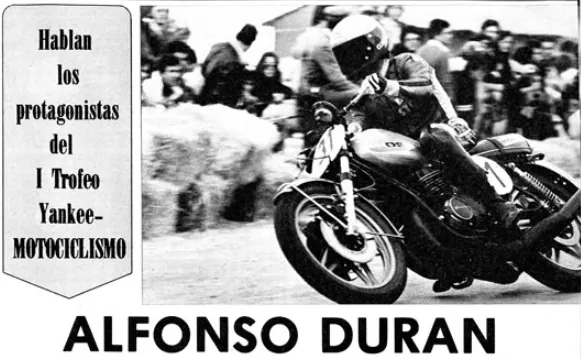
José Maria Duran Balet married Ana Loverdos Mérida and had five children: Ana, José Maria, Consuelo, Jorge and Alfonso.
We know that the youngest, Mr Alfonso Duran Loverdos, was a motorcycle road-racing rider in the 1970s. In 1976 he won the first edition of the OSSA Cup and, as a result, OSSA hired him to compete in the Spanish Championship the following season, in 1977. He had little success because the bike was poorly suited to the outdated Spanish circuits of the time, but that year he nevertheless won the Yankee Cup.
Timeline
BOE no. 143: application to set up a tricycle, motorcycle and moped factory. Planned output: three vehicles a day.
Two Huracan Deluxe 197cc finish the Montjuïc 24 Hours. F-197 microvan.
Move to the buildings at Carrer Almogàvers no. 122. Microcar at the Trade Fair.
F-323 microvan with a 323 cc engine.
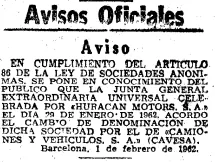
The factory closes; an advertisement in La Vanguardia mentions a change of name to CAVESA.
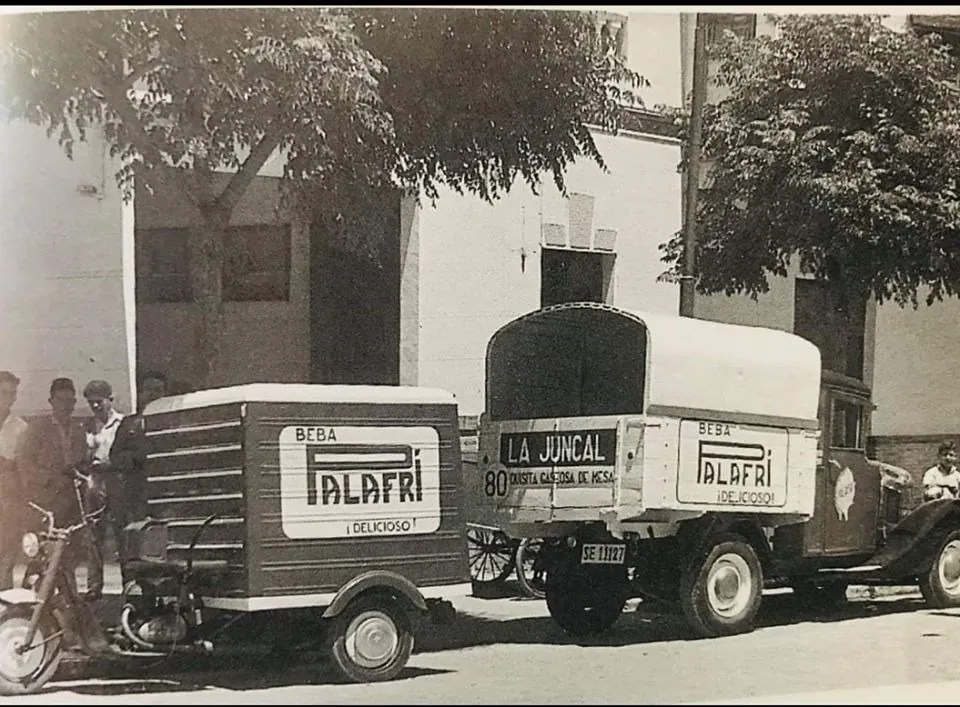
Production
Just over 2,000 units of different vehicles
How many vehicles did Huracán Motors build?
It is estimated that just over 2,000 units of different vehicles were built.
The closure of Huracán Motors (1962 or 1965) and the change of name to CAVESA
The market's shift towards other kinds of utility vehicles and mid-range cars, as well as commercial models and vans derived from them, led the firm to close its doors in 1965 according to some sources, although an advertisement in La Vanguardia places it in 1962, with a change of name to CAVESA (Camiones y Vehículos S.A.).
From here we invite you to visit the vehicles section of this website, which explains in detail which vehicles were built and all their features, with photographs and technical documents.