The brand's catalogue
Huracan motorcycles, motor tricycles and vans: every Huracán Motors model
First-generation Huracan motorcycles (197 cc)
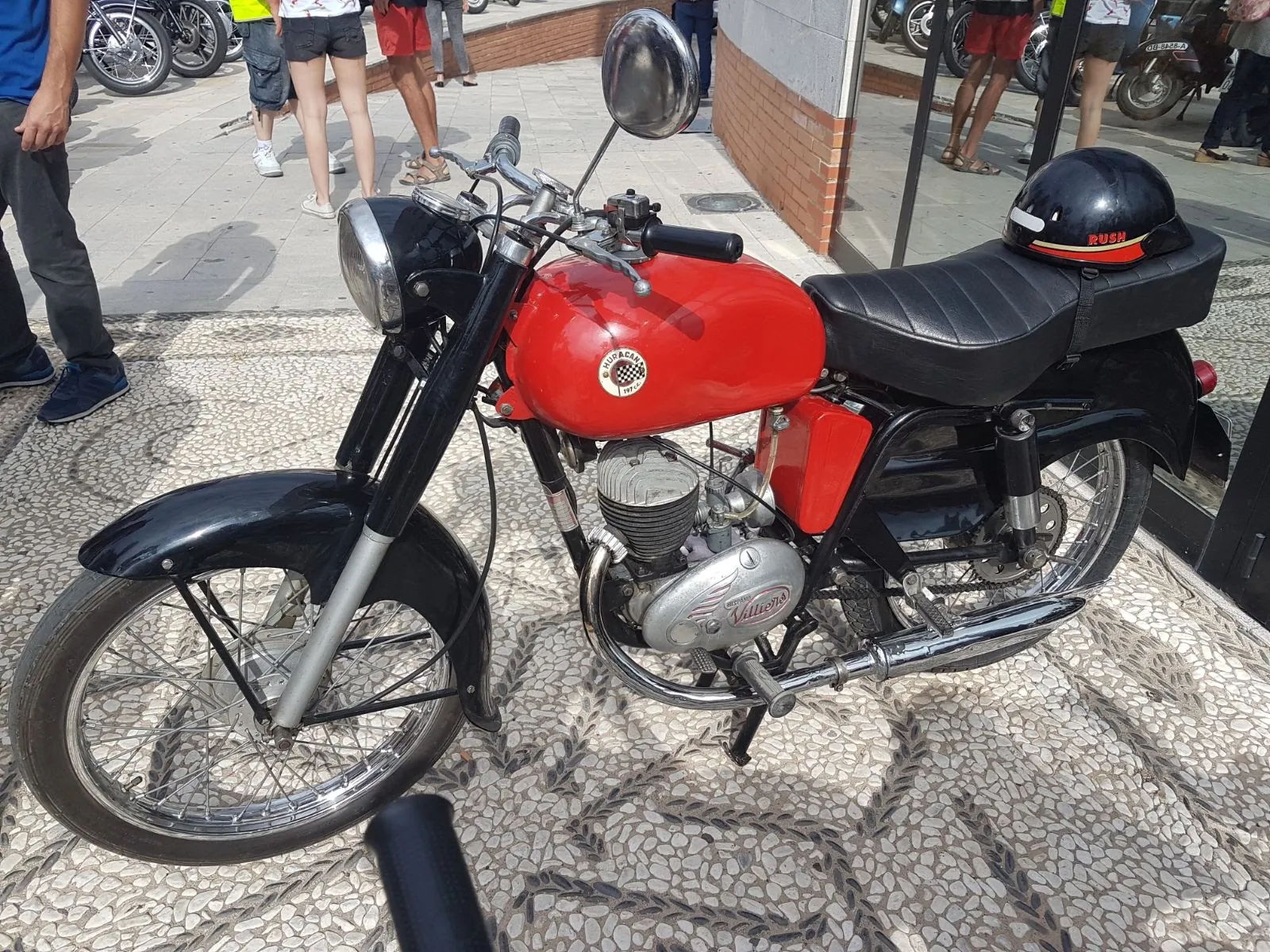
Huracan 197 cc
This model was the predecessor of the later, better-known models called Silver, and can be told apart by its fuel tank.
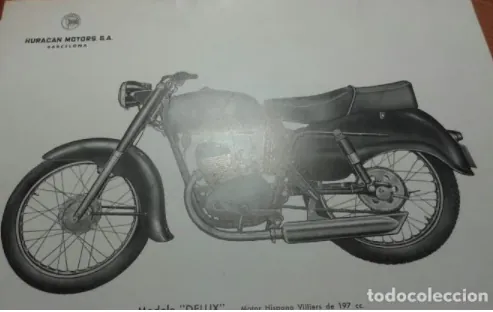
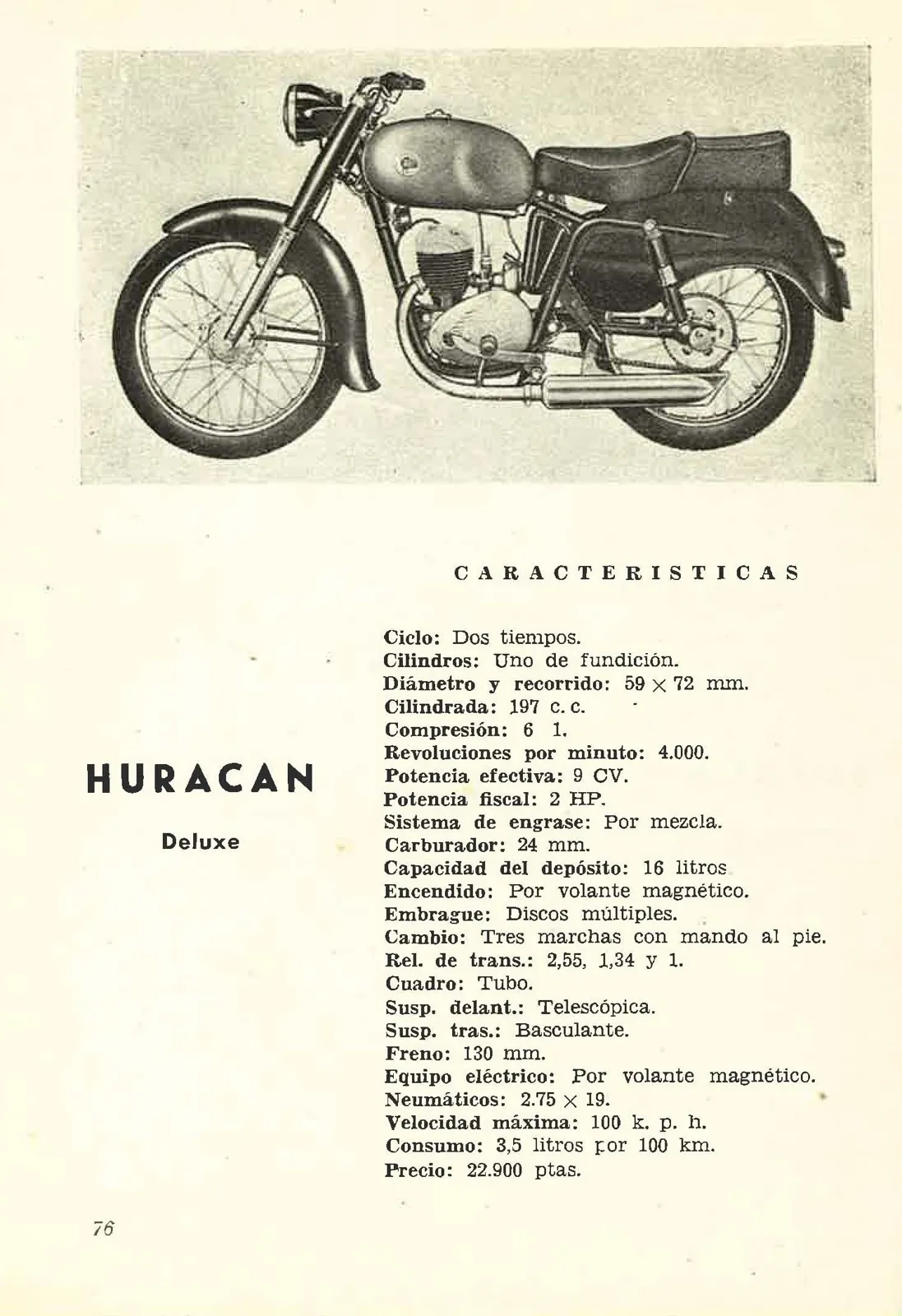
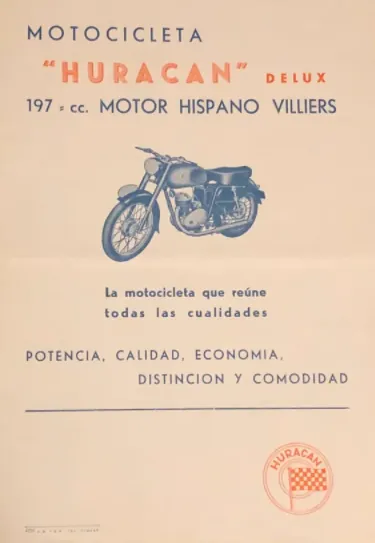
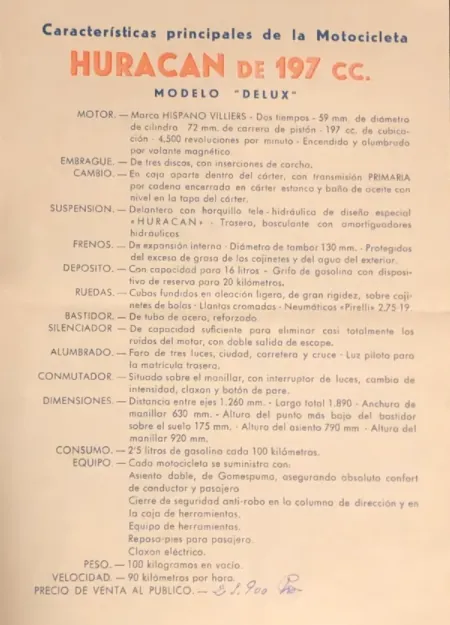
Huracan Deluxe 197 cc
This model was the predecessor of the later, better-known models called Silver, and can be told apart by its fuel tank.
(In some period documents, «Delux».)
Huracan Silver motorcycles (second generation)
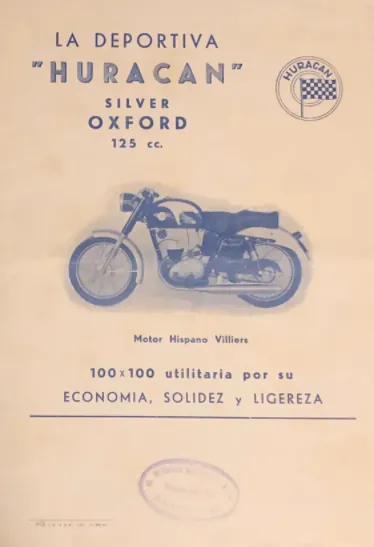
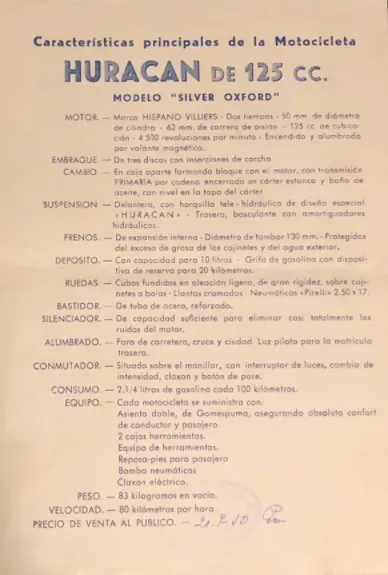
Huracan Silver Oxford 125 cc
These models, with the fuel tank partly painted silver, belong to the second generation of motorcycles, called Silver.
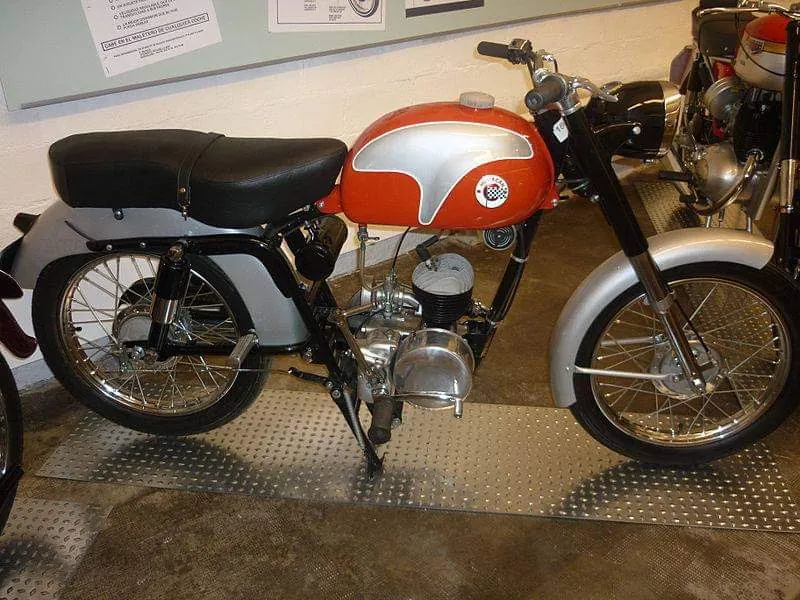
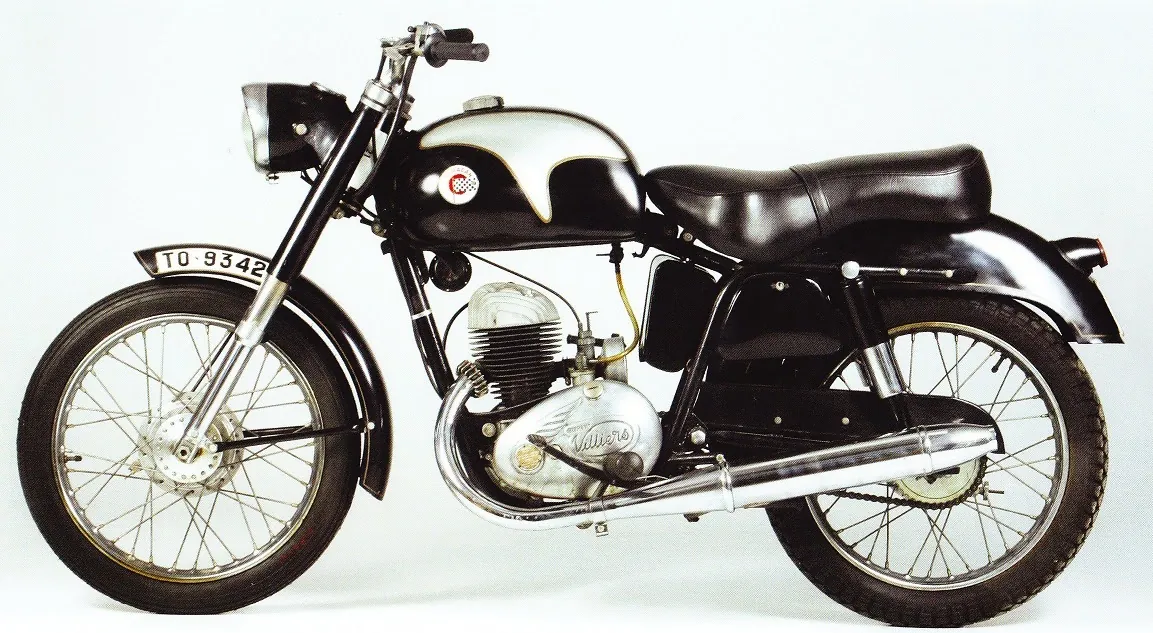
Huracan Silver Deluxe 197 cc
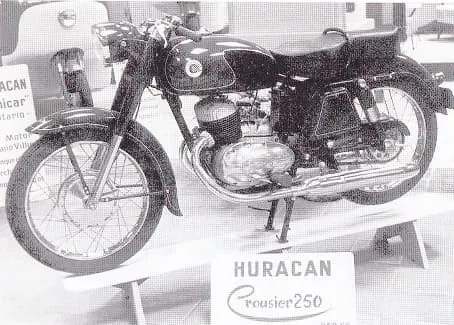
Huracan Crousier 250 cc motorcycle
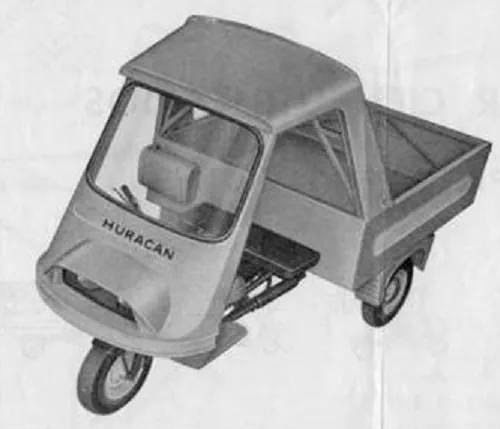
Huracan microcar prototype (Barcelona Trade Fair, 1958)
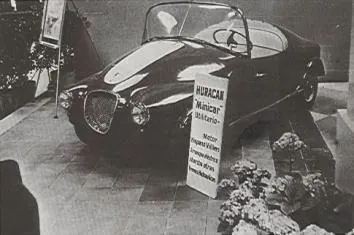
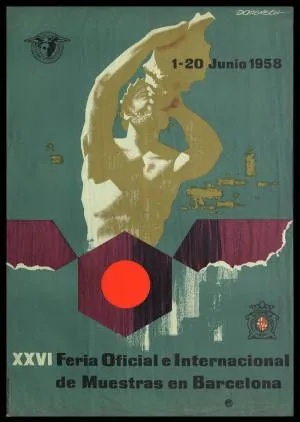
At the 1958 Barcelona Trade Fair, Huracán Motors, S.A. presented a lovely little sporty car designed by the former motorcycle racer and maker of Alpha motorcycles, Nilo Masó Miró, powered by the ubiquitous 197 cc Hispano Villiers engine with four forward gears and one reverse.
Its gearbox is a real mystery: although it seems logical that it inherited the van's 3-speed plus reverse, some claim it had a 4-speed plus reverse or even a 6-speed (3x2) plus reverse, in which case it must have been a reduction gear developed by Huracán itself.
In the end, however, it was never mass-produced, as its retail price was estimated at around 60,000 pesetas (similar to the price of the Seat 600 at the time), which made series production unviable.
It is thought that the authorities placed considerable obstacles in the way of selling this attractive vehicle and that the warm reception of the M-202 motor van (a simple-looking but appealing three-wheeler) led to the Minicar project being forgotten, so almost certainly only the prototype shown at the Fair was ever built.
Huracan F-197 and F-323 microvans
The first motor tricycles and a 1956 motorcycle were followed by other models and, in 1957, a microvan called the F-197, only 3.1 metres long, which looked like a miniature version of the popular D.K.W., with four wheels and powered by the well-known 6M engine from Hostafrancs.
Its success (and the number of units built) was very limited, and the idea was taken up again two years later with the F-323, with an engine of that displacement, four forward gears (three on the F-197) and more modern bodywork.
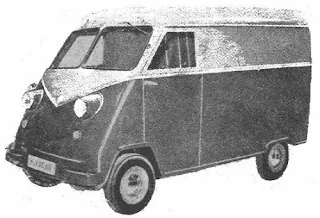
Huracan F-197 microvan (1957)
Year of manufacture: 1957
Body: small two-seater, two-door van.
Wheels: four, hydraulic brakes, 4.50 x 10 tyres.
Engine: Hispano Villiers
- single-cylinder, two-stroke (59 x 72 mm)
- 197 cc (7.1:1)
- 9 hp at 4,600 rpm
- Air-cooled.
Transmission - Gearbox:
- Rear-wheel drive via shaft and differential
- 3 speeds + reverse
- wet multi-plate clutch
Other: front engine, steel chassis, transverse leaf-spring front suspension, longitudinal leaf-spring rear suspension.
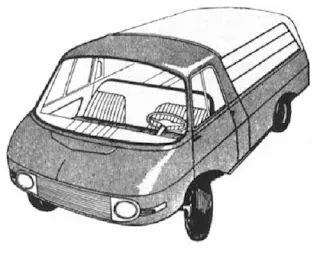
Huracan F-323 microvan (1959)
Year of manufacture: 1959
Body: small two-seater, two-door van.
Wheels: four, hydraulic brakes, 5 x 15 tyres.
Engine: Hispano Villiers,
- twin-cylinder, two-stroke (57 x 63.5 mm)
- 323 cc (6:1)
- 17 hp at 5,500 rpm,
- Air-cooled.
Transmission - Gearbox:
- Rear-wheel drive via shaft and differential
- 4 speeds + reverse, wet multi-plate clutch.
Other: as F-197, plus: 3 x 1.31 x 1.7 m, 1.9 m (wheelbase), 1.2 m (track), weight 380 kg, 20-litre tank, consumption 8 l/100 km, top speed 70 km/h, 12-volt battery.
Huracan three-wheeled motor tricycles and vans (R-2, R-3 and M-200)
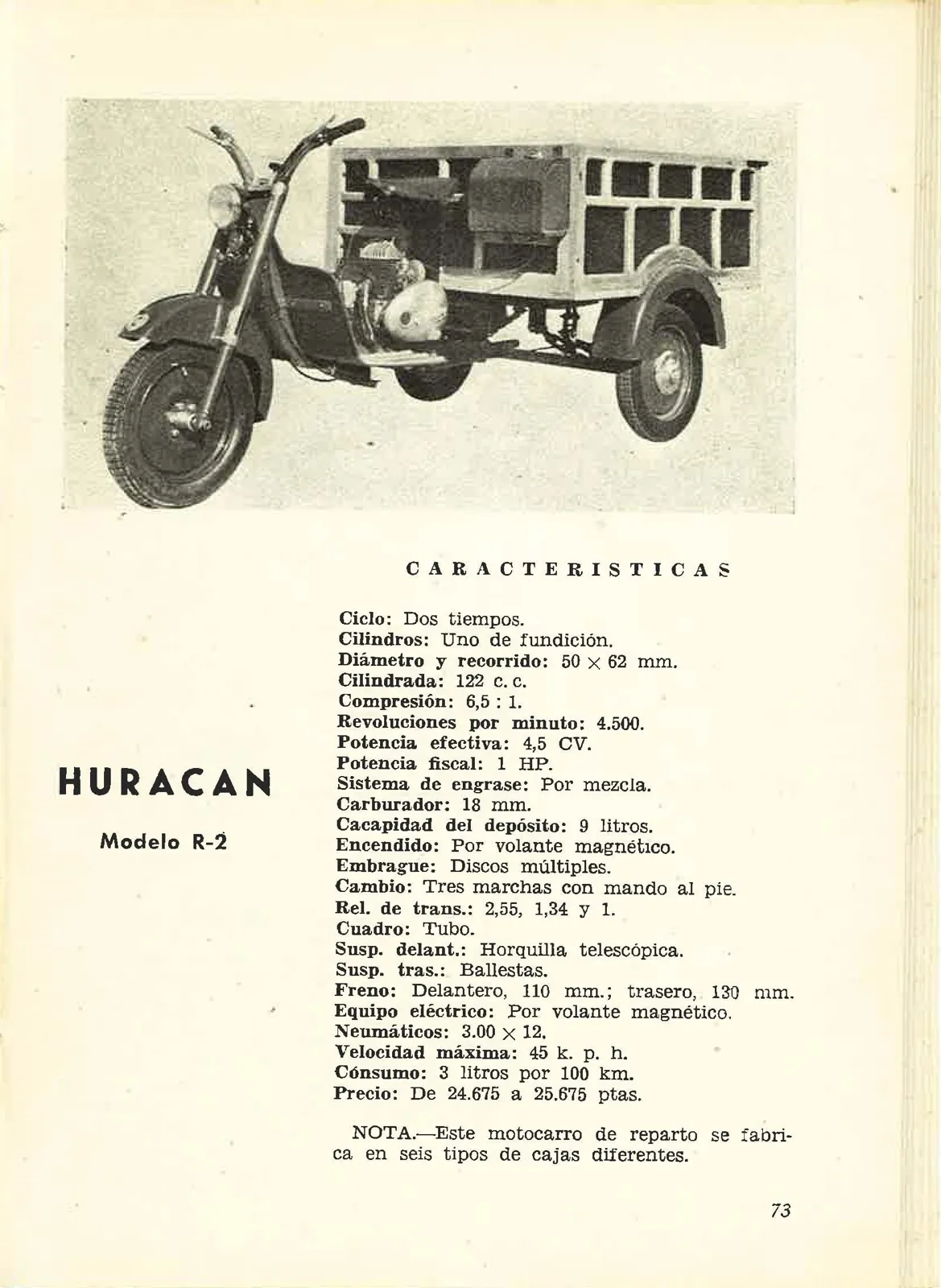
Huracan R-2 motor van
This model came with three types of body, but the engine was always the same 125 cc unit
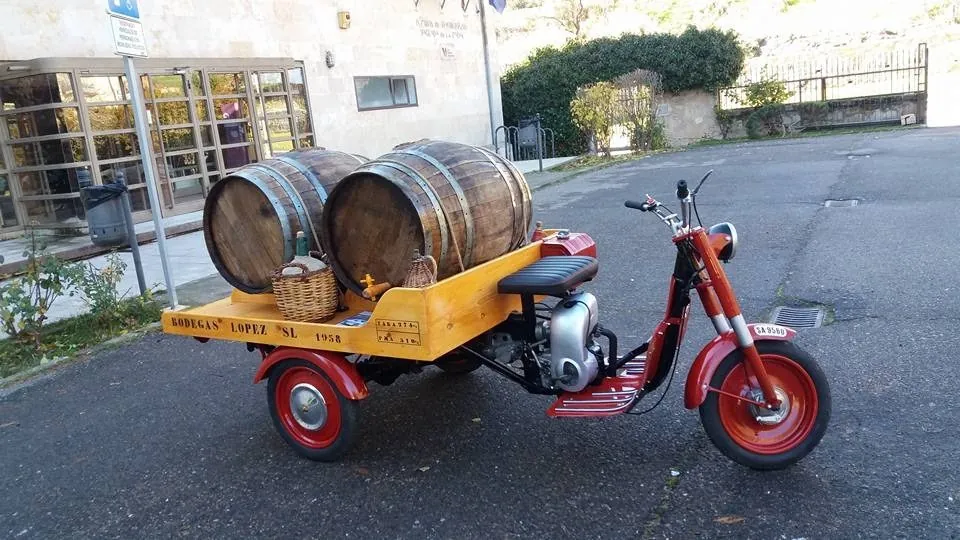
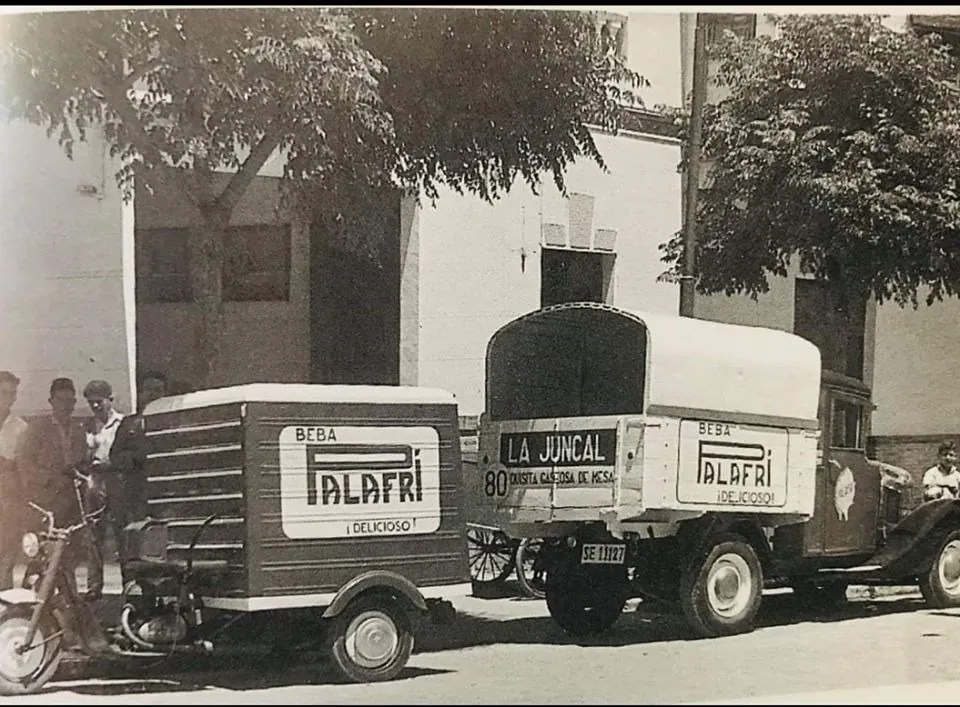
Huracan R-3 motor van
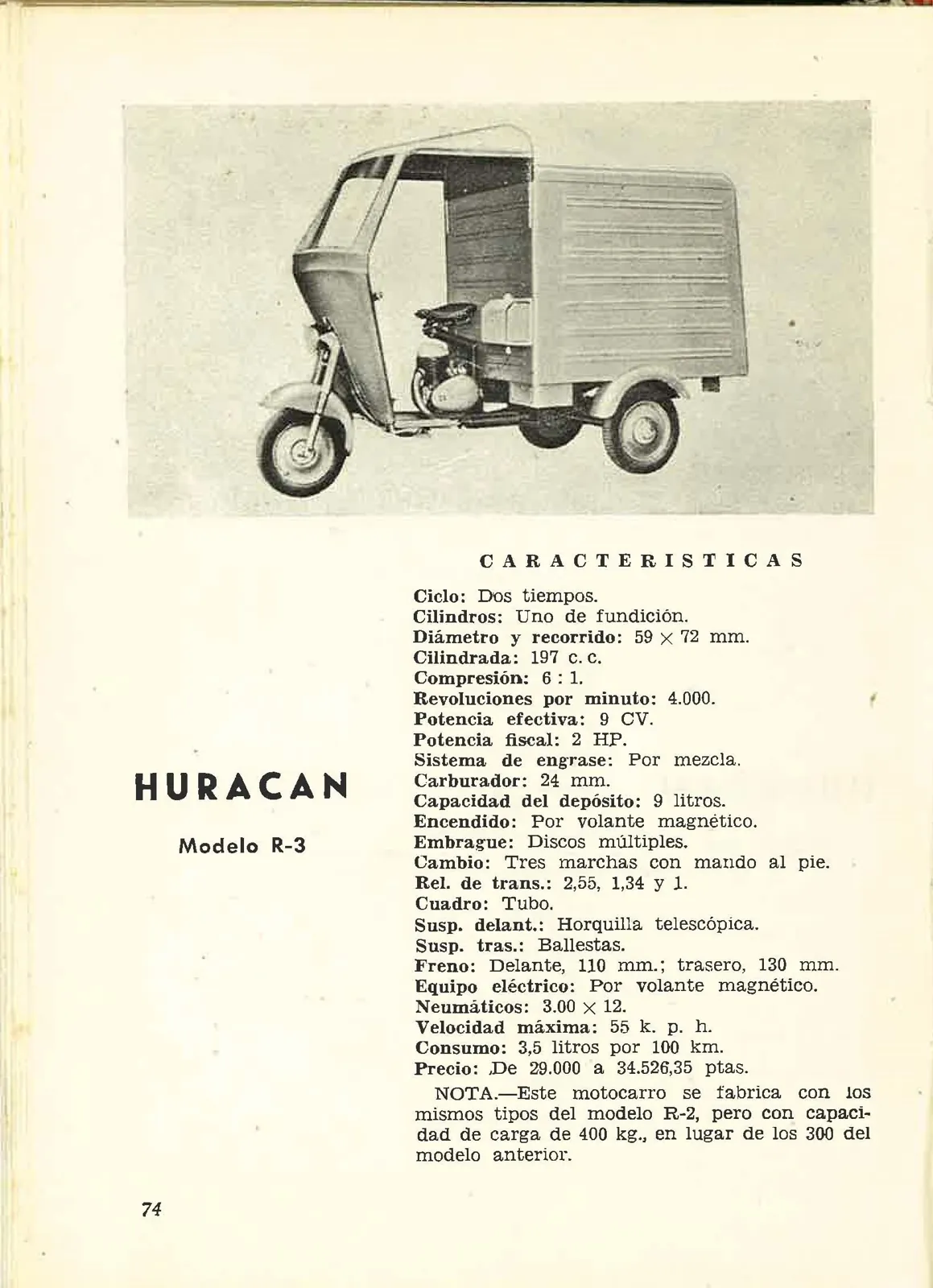
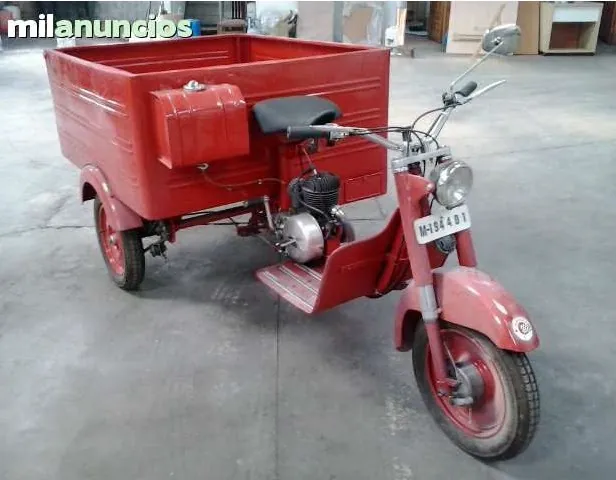
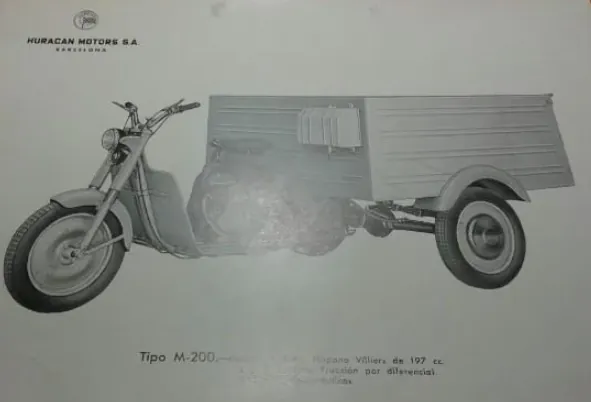
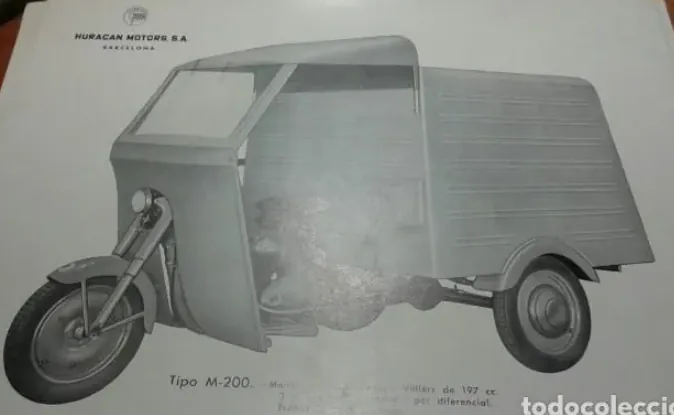
Huracan M-200 motor van with cargo box
This model came with three types of body, but the engine was always the same 197 cc unit
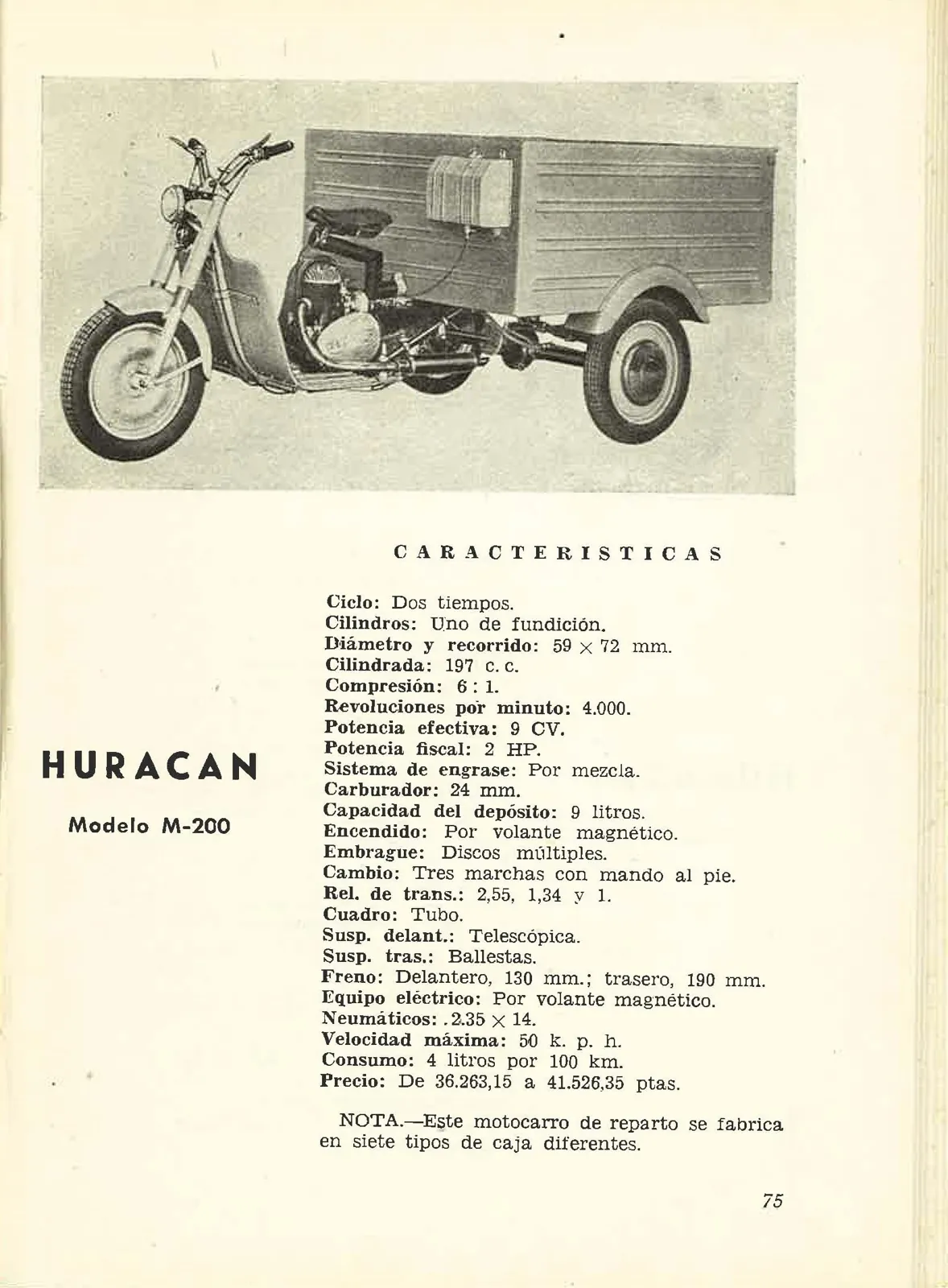
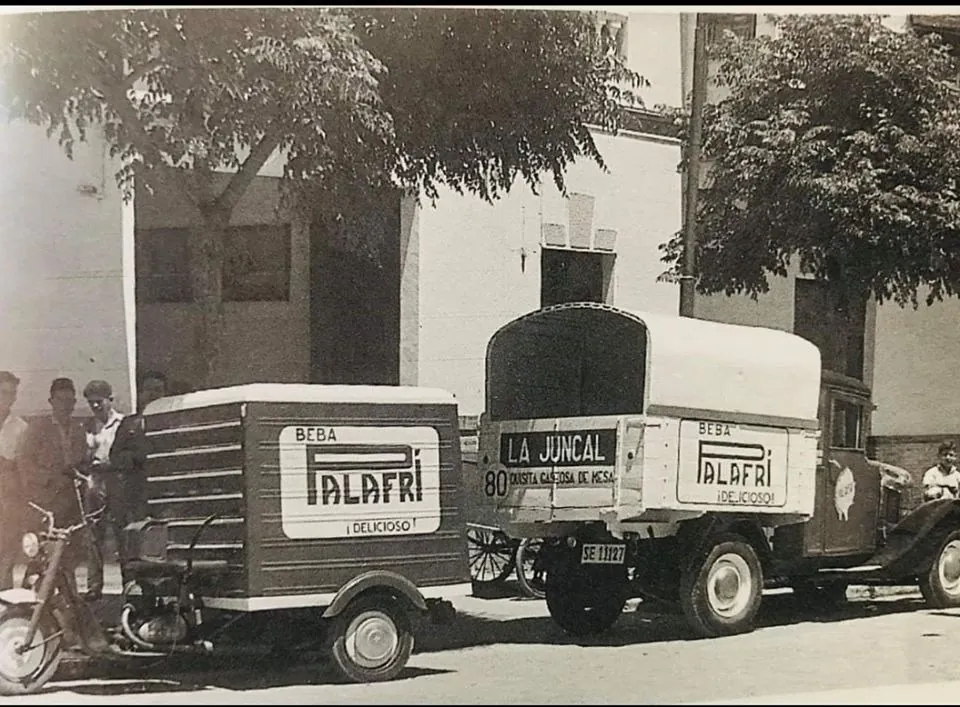
Huracan M-200 motor van with enclosed cab and box
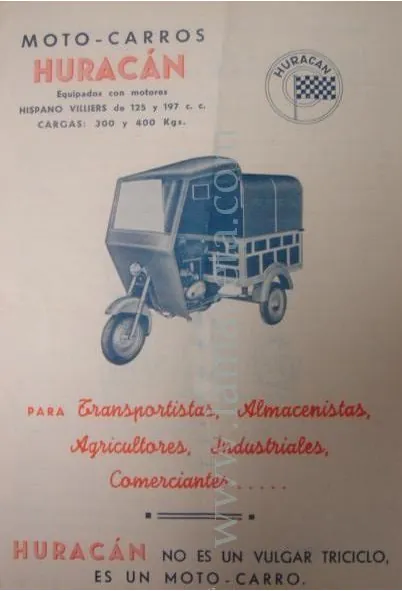
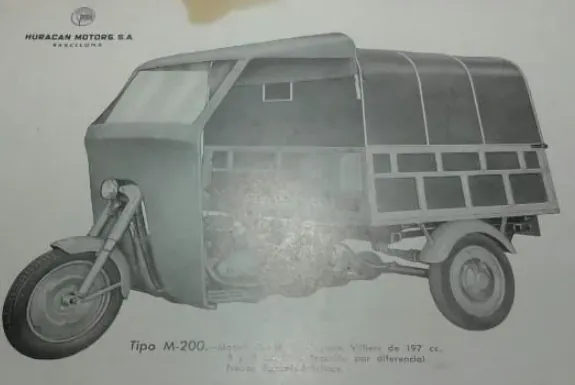
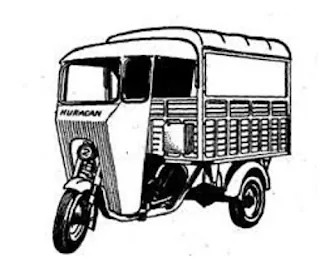
Huracan M-200 motor van (latest version)
Huracan tractor tricycle with semi-trailer
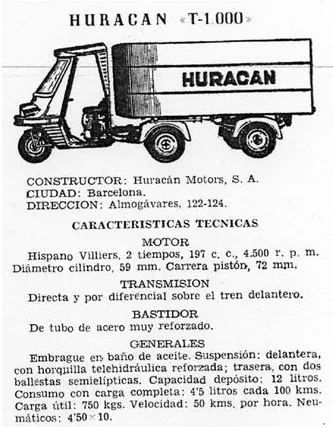
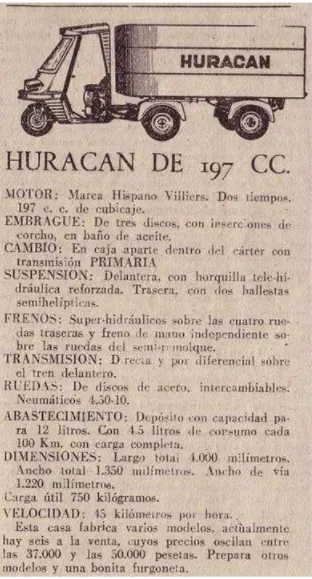
In 1958 a tractor tricycle for a small semi-trailer able to carry 750 kg was presented, called the T-1.000.
Huracan T-1000 197 cc (1960)
Huracan karts for rental tracks and racing